As intrigued as I am with the political implications of Spanish exploration, beautifully outlined by my Colonial History text book, the best thing I read this week was The New York Times “Surfing Remade in the Rockaways”
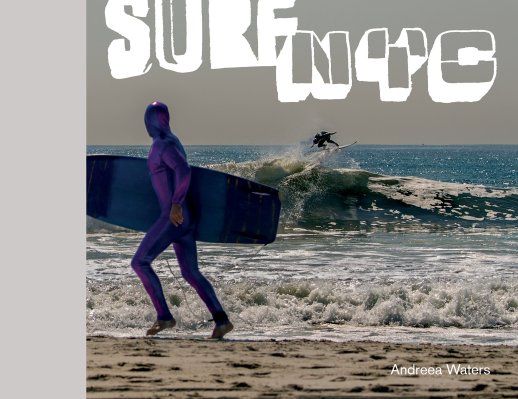
Outlined in any form of media from analytically written history books on the origins of surfing, to episodes of Drunk History starring Jason Mantzoukas, It’s clear that the sport is a lifestyle to those serious about it. This article discusses the issue of a cultural, and mainly racial divide in the sport.
Taking place mainly on the East coast (The Rockaway beach of Long Island) the surfing culture is a bit Isolated from the large surfing world of California and Hawaii. The author does a fantastic job of expressing how unique the culture of New York City (area) surfing really is, expressing how most people in the area either start or their surfing career as skateboarders, or supplement ocean riding with its sister sport on the pavement. Another element of surfing culture unique to the urban area where cultural segregation has a strong presence, is using the sport as an extracurricular activity for much of the youth population in the area.
This Idea is a driving force in the article, and a reason why one of the main subjects in the article, Louis Harris, opened the east coast chapter of the Black Surfing association in NYC. Stressing the importance of this element the author sites another article of a deadly fire set by a high school student simply due to boredom, and states how detrimental that was to Harris.
Highlighting the informal segregation on the beach which is cemented by economic inequality in the area, the author notes how absurdly expensive it is to park on Rockaway with a non-resident permit, and how when originally constructed; the beach, suspiciously, did not have any access by public transportation. Many like Harris are building the Idea of inner city surfing by transitioning lifetime skaters to take their skills to the surf, as well as gaining lots of attention and media by institutions like the Black Surfing Association, and obviously the eye of the New York Times.

 Diary of a Fourth Year Junior