After covering an event last week, I think I’ve developed more of an interest in strict, fact-based reporting, and how it is presented. That’s why I’m going to have to give the best thing I read this week to a Buzzfeed article on violations of human rights by, World Wildlife Foundation (WWF) backed, park rangers in Africa. I know Buzzfeed gets some criticism for click-bait articles and other poor journalism practices, but I was actually very impressed by the amount of information presented in this piece.
In summary the article focus on numerous human rights violations carried out by park rangers, known to locals as the eco-guard in Cameroon, and the Democratic Republic of the Congo. The job of these rangers are to protect the parks wildlife from poachers, which includes patrolling the areas, and apparently raiding local villages in suspicion of harboring poachers. Buzzfeed sites multiple accounts from both local villagers, and human rights investigators sent by the WWF and other international organizations. These accounts included violent raids where villages were burned, torture, gang rape, and murder.
Not only did the article detail firsthand accounts of the abuse, but link WWF with the groups that were committing them. According to Buzzfeed, the WWF has not only substantially funded these eco-guards, but even helped to train them on site. The WWF was even made a co-manager of Salonga national park in the Congo where multiple accounts of human rights violations were reported, as well as a WWF employee named top official and put in charge of the parks eco-guard. According to Buzzfeed when formal reports of this abuse reached head executives of the WWF in 2015, but were not made public, the foundations direct general stated that the reports were “matters for the government of Cameroon”. According to locals as recent as 2018, not much has changed.
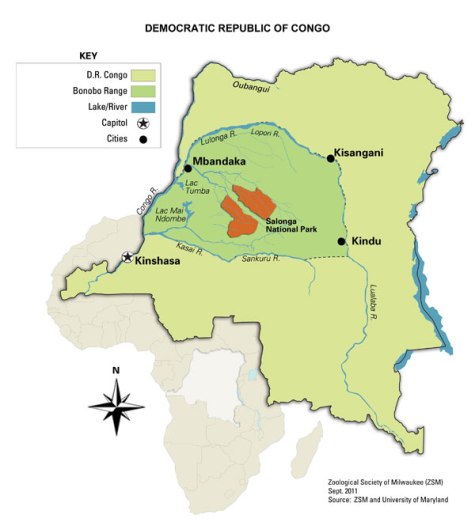
What kept my interest throughout this article wasn’t just the allegation that a foundation held in such high regard as the WWF was supporting such blatant atrocities, but the articles ability to support that claim. Throughout the article the author sites numerous firsthand accounts of the abuse with specific names and dates to verify them, and doesn’t cloud the piece with their own judgment. A claim as substantial as the one made in this article will require a lot of evidence to back it up in order to be taken seriously. This piece does a very good job at doing just that.

 Diary of a Fourth Year Junior