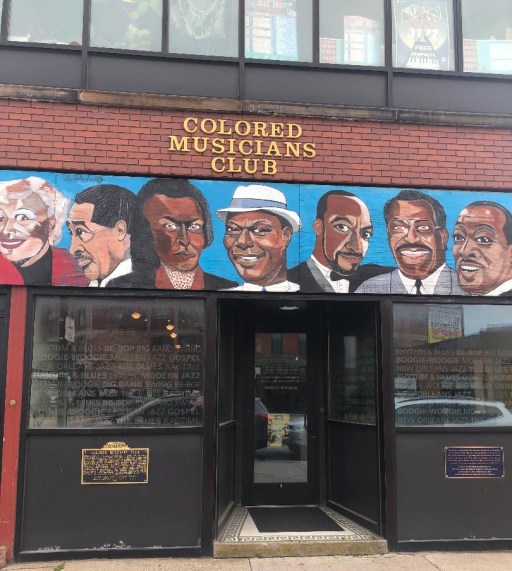
Standing in the heart of buffalo, the national landmark at 145 Broadway St. holds more than just a functioning jazz club and museum. It stands now as it has stood for the past 80 years, as an integral part of the music community.
The history of this institution has fostered some of the greatest musicians in the jazz world as well as provided a welcome home for those passing through.
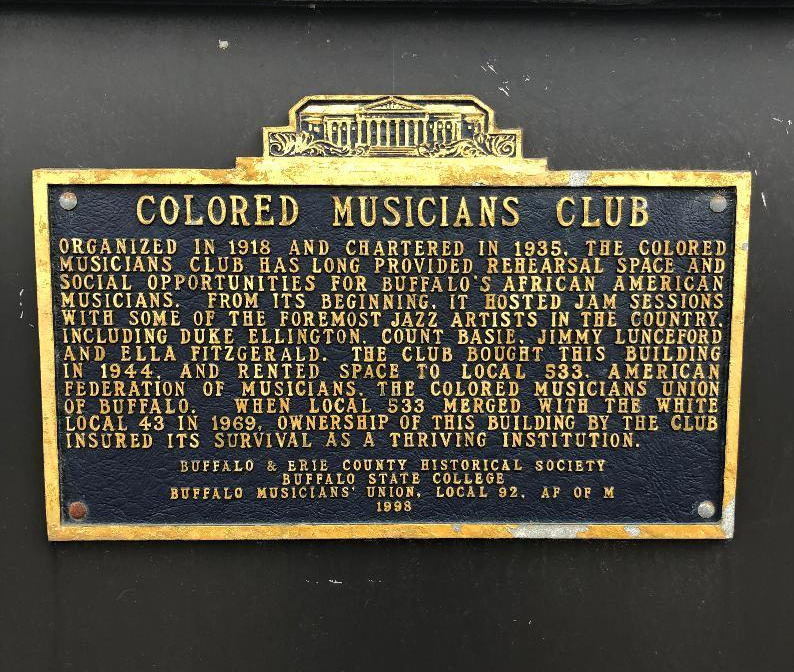
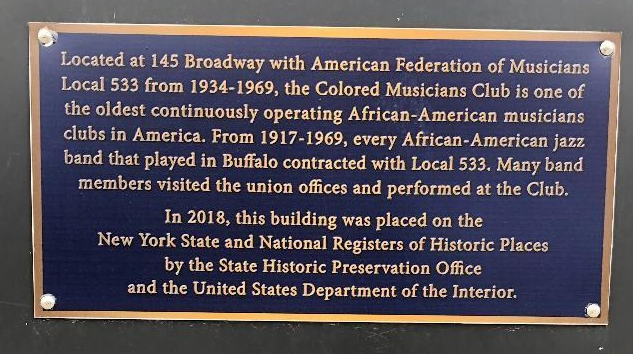
The story of the historic Colored Musicians Club begins with the local 533. The 533 was the official organized union for African American musicians in buffalo. Formed in 1917, the 533 provided an opportunity for African American musicians all across the Buffalo area, who at the time were barred from the local 43 musician’s union in buffalo, to find work for a fair wage as well as receive health and credit benefits. A year later members of the newly formed 533 established the Colored Musicians Club. A friendly place where musicians in the 533 could meet up to unwind after a show with a drink, play cards, and jam.


“back in the day jam sessions were huge for musicians. It was this kind of loose thing where you can just go in there… and then you get a chance to express yourself musically” said current Club president George Scott.
“you get to talk to them (other musicians) in between songs, and ask questions like ‘hey man how’d you do that run, and he’ll be willing,… to break it down slow, and you practice that… that’s why going up to the club after hours was great, because they talked a lot of that”
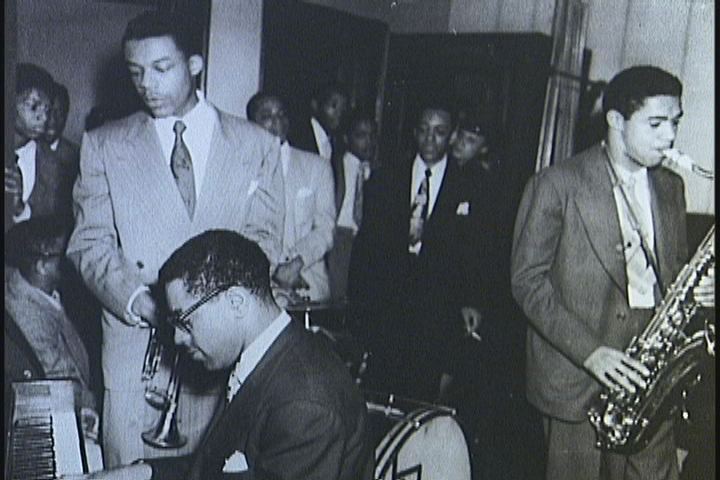
This club provided a place of comfort for members to play with one another free of pressure and judgment. It wasn’t uncommon for jam sessions to go well into the early hours of the morning, as the creative force of improvised piano riffs, deep base lines and trumpet solos resonated through the musicians and spectators alike.
Shortly after the formation of the 533 came the golden age of Jazz in America. The Roaring Twenties. During the prohibition era speakeasies were rampant across the country and buffalo was not immune. With the underground world of alcohol consumption came the overwhelming demand for creativity and musicianship. With the newly formed union, work for the jazz musicians in the 533 was in no short supply.
It wasn’t just anyone who could wear the title of the 533, applicants had to audition in front of a panel of veteran musicians, leaving the reputation of the union held in high regard.
“The Colored Musicians Club had standards, you had to be the best” said Walt, a club board member, and local musician. With segregation plaguing the community at the time, the 533 needed to have the skill to outweigh the racial prejudice. “we had to make sure we were the best so they always wanted us back” Walt stated.
And the talent didn’t go unnoticed.
During the booming days of jazz, the hottest spots in the country were New Orleans, Chicago, and New York. When traveling the famous “Chitlen’ Circuit”, the main music circuit for black musicians of the time, the best musicians in the world would pass straight through Buffalo. Many would often stop to play with some of the 533 members, and spend a night or two at the club. When traveling the circuit, big names like Miles Davis, Dizzy Gillespie and Ella Fitzgerald recognized the talent of the members and, in some occasions pick them up on their tour.
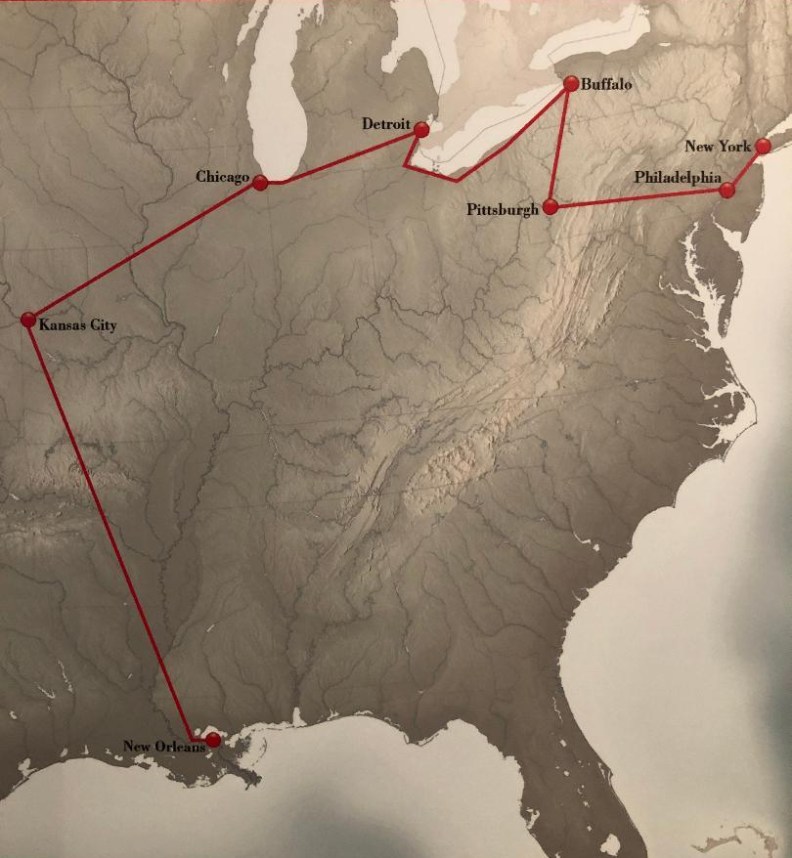
Traveling was difficult for a large band, which led many of the jazz greats to travel light and leave room to pick up new talent along the way.
“they would bring the core guys, then they would fluff the rest of the band with local people” Scott noted.
Then came the 1960’s. with the civil rights movement barreling through the United States, institutions were becoming desegregated across the country. When the two musicians unions became integrated in 1969, many members of the former 533 felt it had put them at a disadvantage.
“533 had a name, had a reputation, 43 didn’t have that, you know 43 didn’t get Dizzy (Gillespie) coming to their place, or in their union. 43 didn’t get Lina horn, they didn’t get Basie band, they didn’t get any of those people. And that was the music that the people wanted to hear.”
However the home of the 533 on Broadway remained in the name of the Colored Musicians Club, not the local 533, and therefore could keep its identity. Not long after the integration of the two unions, the club was declared a local county landmark in 1979
During the heyday of Buffalo Jazz many musical greats such as Lil Harden Armstrong, renowned jazz pianist and former husband of Louis Armstrong; Pete Johnson, pioneer of the ‘Boogie-Woogie’ style of piano; and Al Tinney, a founder of what is now know as ‘Be-Bop’ jazz, were all members of the club.
(Pete Johnson- Boogie-Woogie-style piano)
(Al Tinney’s Bebop jazz, played by Dizzy Gillespie)
However, nobody embodies the impact of the club better than Elvin Shepard. At just 17 years old Shepard was noticed one night during a jam session at the Colored Musicians Club, and immediately offered a gig by a local nightclub owner. After being first recognized at the club, Shepard’s prestige on both the trumpet and saxophone lead him across country, accompanying some of the biggest names in the jazz world, including Della Reese, Gladys Knight, and the Queen of soul herself, Ms. Aretha Franklin.
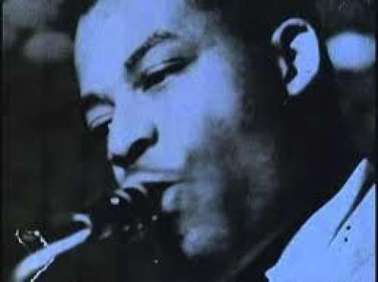
Shepard, nicknamed ‘Shep’, was also a teacher and mentor to the iconic saxophone player Grover Washington Jr.. Also a member of the Colored Musicians Club, Washington went on to win two Grammy awards for his album ‘Winelight’.
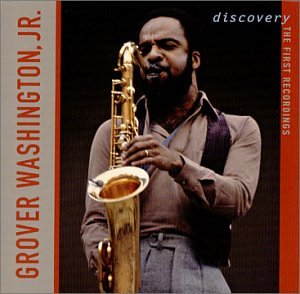
Although some may argue the days of jazz music only exist in history, the club has carried its legacy well into present day. A variety of local jazz musicians still perform at the club on a weekly basis as well as a 17-piece band featured every Thursday night, led by Carol Mclaughlin, an experienced saxophone player who spent his years playing with those such as Al Tinney and Sammy Davis Jr..
Along with the local performers featured, the club holds true to its legacy with open jam sessions every Sunday night where young local musicians can come and collaborate with some of the best.
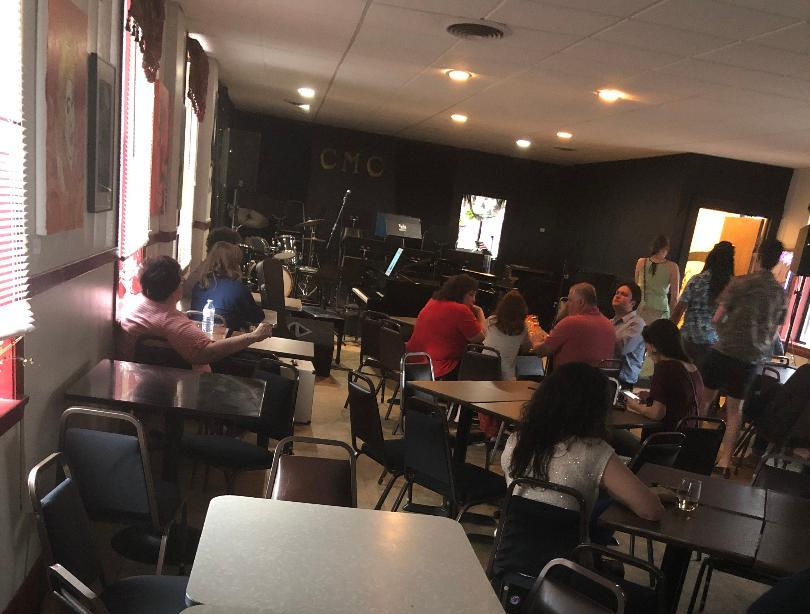
First entering the club on the second floor of the historic building, patrons are immediately met with the atmosphere of the ‘Roaring Twenties’. Having to ring a silent doorbell and wait to be buzzed in from behind the bar, it seems like everything short of a secret password. After being granted entry, the long narrow staircase escorts guests, single file, up to the main room.
The intimate setting of the club provides only the essentials for patrons. An old wooden bar complete with stools and glassware from its heyday, accompanied only by a few tables and chairs to provide little distraction from the music. This holds true to the original founders, who needed little else to thrive in the jazz world.


The Sunday night jam sessions start off with a performance by one of many local bands featured at the club, such as the SUNY Erie Jazz Kats, led by Jim Runfola. As an inductee in the Buffalo Music Hall of Fame, Runfola has played in the Buffalo music community with the likes of Carol Mclaughlin, Jim White, and Chuck Taylor. Comprised of local high school and college students, the Jazz Kats feature many elements of what the club embodies, young ambitious musicians with the talent to match their energy.
“This is the first group that I thought could play here” said Runfola, Speaking to both the talent of the young ensemble, as well as the fierce reputation of the Colored Musicians Club.
After the Sunday night performance many members of the band stick around to play with one and other as well as anyone in the community who wants to show up. Even club staff, many of which are local musicians, join in. “they start with whoever’s featured,… and then they’ll invite different guest up to play” said Heather, a local trumpet player, and frequenter of the Club’s Sunday jam sessions “everybody seems to jell really nicely”.
Although everyone is welcome to participate, it is up to the musician themselves to hold their own and prove their skill. If you don’t measure up you may get lost in the mix. “this place is super intimidating… so it’s a challenge for me to puff u and get out there” said Heather, “but nothing that’s made me think I don’t wanna come here”.
Keeping with the prestigious history of the club it’s no surprise that those who frequent the venue are the best jazz musicians in the area, but they encourage all styles of play. “we continue the jazz jam because its nostalgic, but we have any style come up here to play” said Walt, “you get a different crowd every hour coming through here… (it’s) a place where everyone comes to cut their teeth”
As well as the Sunday night jam sessions, the club offers lessons for local kids who may not have music programs at school, and may not be able to afford private lessons. Lessons at the club are often taught by local volunteers, who just wanted to do their part in the community.
“we just wanted to make sure that they continued the legacy of the music” said Scott
And surely carrying on the legacy of those that came before them, kids brought up through the club in recent years have gone on to play with some of the biggest names in modern music, including Nick Jonas, and Beyonce.
Below the, speakeasy styled nightclub, sits a beautiful museum where guests can not only see the history of the club and the local 533, but hear it. Guest at the Club’s museum can put on headphones and immediately be immersed in the music of the time. The audio features dozens of tracks from the most prominent members of the 533, including Dodo Greene, Frankie Dunlop, and Billy Eckstein.


The museum also features a section where guests can freely manipulate recordings to isolate certain instruments withing the ensemble in order to hear how each solo or accompaniment is played.
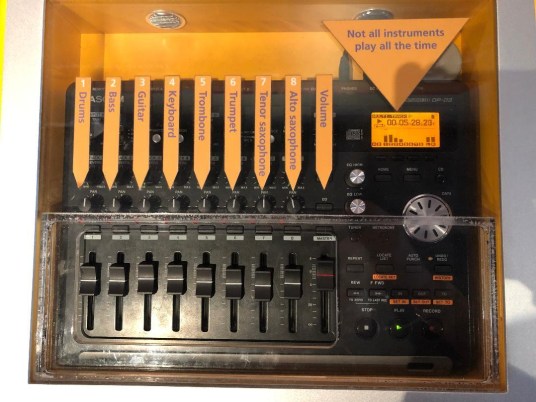
The tracks featured in this exhibit are recorded by local jazz group, the George Scott Big Band, and include ‘Mr. Magic’, originally written by Grover Washington Jr., as well as the famous ‘Some Where Over the Rainbow’ from ‘The Wizard of Oz’, written by Buffalo composer, Harold Arlen.


In 2004, on the 70th anniversary of the Club’s official home at 145 Broadway, they needed to do something special.
“we said let’s have a party, let’s put the stage outside and have some of the bands that we have up here, play outside” Scott recalls, “in fact the first festival none of the musicians got paid, everybody volunteered to do it for the sake of the anniversary,”… “it was, more or less, word of mouth, we didn’t really advertise it well, that said, you know with people hearing the music we had maybe about 5,000 people that showed up the first year”
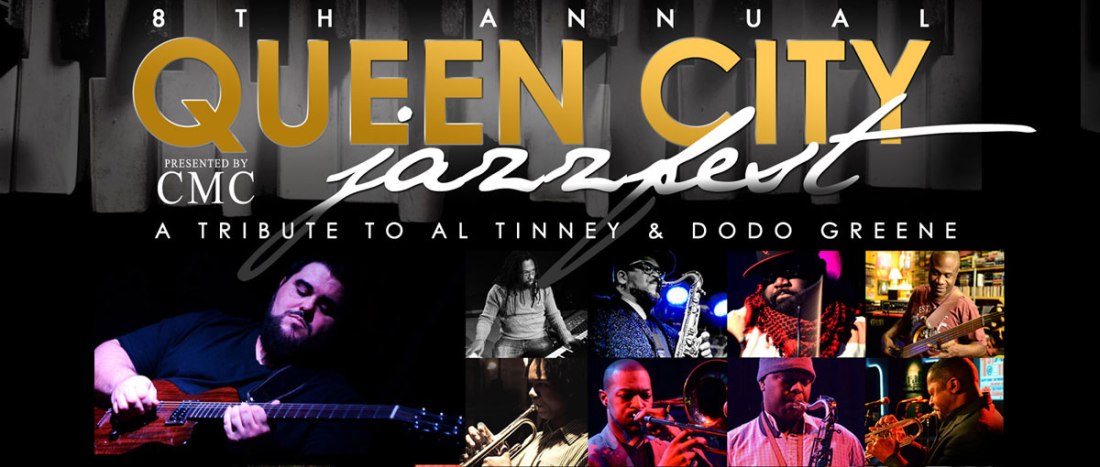
With the astounding success of the first festival, the Club’s board members decided to expand the event and make it a Buffalo tradition. Today, what we now know as Buffalo’s Queen City Music Festival takes place every July, over the course of seven days on multiple stages throughout the city to commemorate the great jazz icons of Buffalo.
Officially deemed a national landmark in 2018 the Colored Musicians Club allows guests to travel back in time to a day where jazz music was heard throughout the country, and the Local 533 reined supreme in the music community.
After the 533 came to an end 50 years ago, the act of keeping the club and its home at 145 Broadway separate from the union was crucial to sustaining the legacy of the African American jazz community. As current president George Scott stated,
“they did that intentionally because they knew that (the merger) was gunna happen, they had a inkling… and that is why we still have the club, and more importantly we can still talk about 533. So this is the last remaining element of what 533 built. And it still sticks.”

 Diary of a Fourth Year Junior